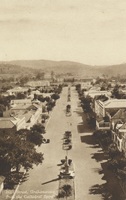
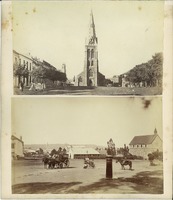
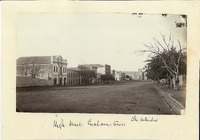
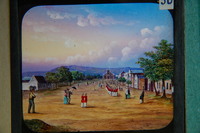
Two photographs stuck on card, of: (a) View of High Street, Grahamstown, showing the Cathedral of St Michael and St George with the spire, completed in 1878. The Settlers Memorial Tower, completed in 1870, can be seen to the left. (b) View of the intersection of Worcester and Somerset Streets, Grahamstown, with a Victorian fluted pillar box ca. 1859-60 in the foreground, reputed to be the oldest official letter box in South Africa. The house of the Headmaster of St Andrew's College is visible behind it, with Christchurch, built in 1876, in the distance. The latter photograph was taken by Aldham and Aldham, photographers active in Grahamstown from1879-1905.
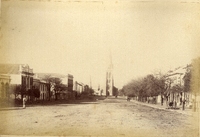
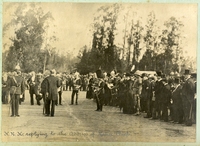
View of an almost deserted High Street, looking eastwards towards the Cathedral of St Michael and St George. The photograph is mounted on card which bears the inscription 'The Cathedral High Street Grahamstown'. It predates the building of the Cathedral spire, completed in 1878.
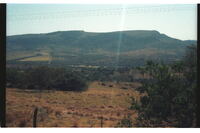
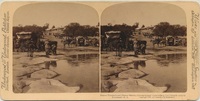
The original Rietberg over which early waggoners and some 1820 Settlers passed on way to the north, the track ascending just out of picture to the left on Boekenhoutfontein farm.
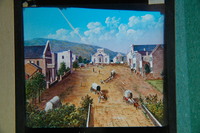
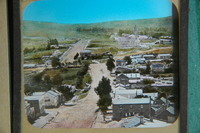
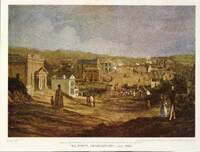
Hill street, Grahamtown (circa 1849) printed for the South African Permanent Building Society by Cape & Transvaal Printers Ltd (November, 1964), by kind permission of Eastern Province Guardian Loan & Investment Company
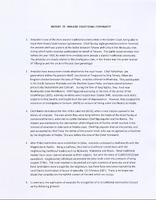
Historic record of AmaJobe community drafted by Chief Zanemali Bani. AmaJobe is one of the most ancient traditional communities in the Eastern Cape, tracing its history back fourteen generations. Chief Sinuka, eight generations before Zanemali, the present chief was present at the battle between Tshawe and Cirha at the Mzimvubu river, during which battle amaJobe participated on behalf of Tshawe. This battle occurred some time before the year 1600, by which time amaJobe were already a distinct traditional community. The amaJobe are closely related to the amaNgwevu clan; in fact, Sinuka was the senior brother of Tshangisa and the uncle to Rhudulu.