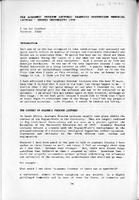
Returning to the series during the transition period of the "New South Africa," Slabbert argues that academic freedom is not a static ritual but a continuous battle. He analyzes the concepts of university autonomy and neutrality, warning that the end of Apartheid does not mean the end of the struggle for intellectual inquiry; rather, the challenges to academic freedom simply acquire new meanings in a democratic state.
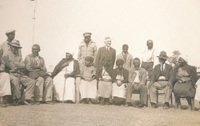
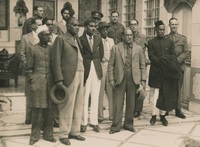
Photographic album : containing photographs of Indian troops and members of an Indian press contingent, taken in the Middle East (including Iraq) and Italy during World War II, taken during a tour by a contingent of Indian Press correspondents, 1945, photographer unknown.
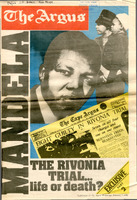
A retrospective report published in February 1990 reflecting on the commencement of the Rivonia Trial on October 9, 1963. The article highlights the social climate of the time, contrasting the trial of the "Rivonia 11" with the front-page news of Cape Town singer Danny Williams marrying a white woman in London—an act then criminalised in South Africa under the Prohibition of Mixed Marriages Act. It notes the archaic racial terminology used in 1963 press reports ("Natives") and the specific charges of sabotage and communism.
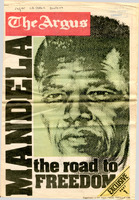
The inaugural installment of a four-part exclusive series by staff writer Dennis Cruywagen. Prepared over several months, the supplement reconstructs over 25 years of Nelson Mandela's life and the history of the ANC. The piece includes firsthand interviews with Rivonia Trial veterans, the Mandela family (including an impromptu interview with Winnie Mandela in a Johannesburg traffic jam), and various legal and political experts. It aims to provide an overview of the political drama and personal poignancy of Mandela’s life-term imprisonment.
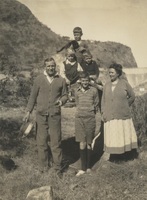
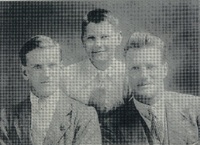
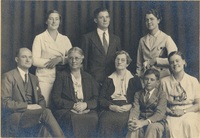
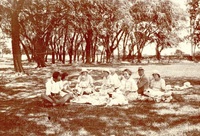
The Butler family in 1934: Standing at the back: Christine, Guy and Joan. Sitting in the front row: Ernest, Alice, Grandma Lettie Butler, Jerffrey and Dorothy.