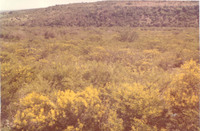
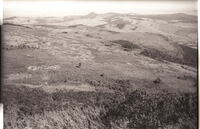
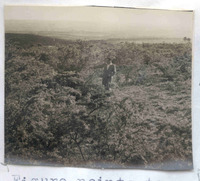
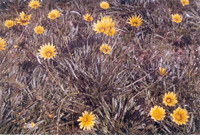
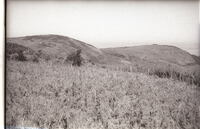
Looking westwards from top of Hoho Peak (Pirie West Peak) over Protea thickets in immediate foreground to the mid-picture ridge covered in Cliffortia fynbos and which might once have held dense Protea subvestita and /or Protea multibracteata thickets. Some of the latter still growing below the subvestita thickets there. iNtaba knNdoda Peak in distance.
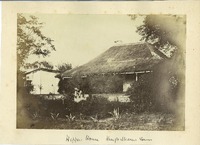
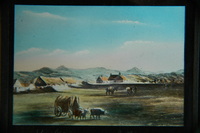
View of a man seated on the step of a thatched house in an overgrown garden, reading a newspaper. An inscription on the mount reads: 'Hepper's house, King William's Town'.
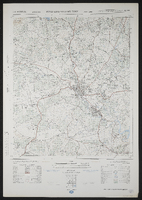
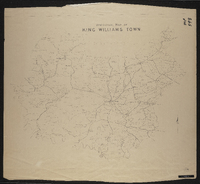
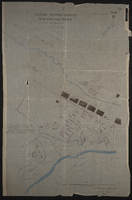
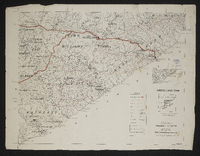
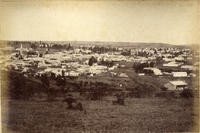
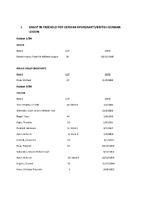
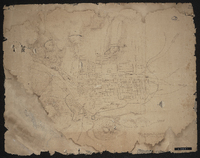
A collection of Land Grants (both Freehold and Perpetual Quitrent) and transfers/title deeds for the Stutterheim/King William's Town area. Although these are predominantly in the names of German immigrants and British German Legion settlers, there are also some grants in Freehold for Xhosa people, as well as grants in Perpetual Quitrent for men at the mission stations of Bethel, Umgwali and Wartburg. Most of the documents are accompanied by diagrams of the land in question.
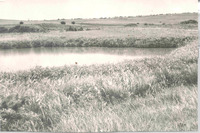
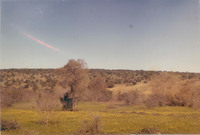
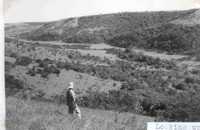
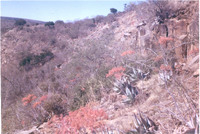
Coral Aloes Aloe striata. Much of this hillside was covered with them but the dryness of the grass hides their redness in the picture. Many sunbirds were active at the time the photo was taken.
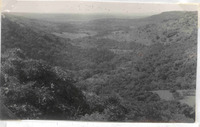
Cape and Gurney Sugerbird Promerops cafer & Gurneyi country. The left-hand dome is Hoho Peak, or Pirie West Peak, on the western slopes of which both species where found occupying and nesting in a thicket of tall, dense Protea subvestita, almost the last patch of any size on these mountains. The dark areas on the slopes are protea trees. Those on top had been burned out. Such thickets would have been more widespread in the past. Below are some Protea multibracteata plants. The thickets of subvestita were burnt out in the late 1960's to make way for stock grazing.