Apartheid, the Struggle and the People
Item set
- Description
- The Apartheid, the Struggle, and the People collection is a multifaceted archival assemblage at the Cory Library that documents the lived experience of systemic oppression and the organized resistance movements within the Eastern Cape. Unlike official state records, this collection prioritizes the voices of the marginalized, featuring a wealth of "ephemeral" history—pamphlets, underground newsletters, and personal testimonies.
- Language
- English
- Temporal Coverage
- 1948 – 1994 (with some background material from the 1920s)
Items
-
 Photographs showing views of forced removal of communities from Klipfontein farm, near Kenton-on-sea, and other areas, to Glenmore in 1979. These photographs were accumulated by Ben Maclennan when he worked as a journalist covering the move, and when he wrote the book "Glenmore : the story of a forced removal",Ben Maclennan (donor)
 -
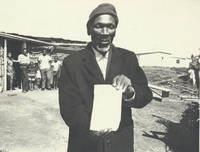 A series of photographs taken at the time of the Klipfontein evictions, the resultant trial at the Supreme Court Grahamstown, and the eventual settlement of those evicted in the Glenmore resettlement location, showing some of the residents involved, officials, members of the press, as well as aerial and on site views of Glenmore. Photographers: Dave Forbes, Ben Maclennan, Evert Smith, and an unknown photographer. This photograph shows a blind Mr Joseph Gqozombana, in Kenton emergency camp, with the eviction notice ordering him to Glenmore. Photograph taken in March 1979.
 -
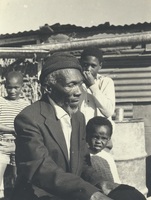 Photographs taken at the time of the Klipfontein evictions, the resultant trial at the Supreme Court Grahamstown, and the eventual settlement of those evicted in the Glenmore resettlement location, showing some of the residents involved, officials, members of the press, as well as aerial and on site views of Glenmore. Photographers: Dave Forbes, Ben Maclennan, Evert Smith, and an unknown photographer
 -
 Photographs taken at the time of the Klipfontein evictions, the resultant trial at the Supreme Court Grahamstown, and the eventual settlement of those evicted in the Glenmore resettlement location, showing some of the residents involved, officials, members of the press, as well as aerial and on site views of Glenmore. Photographers: Dave Forbes, Ben Maclennan, Evert Smith, and an unknown photographer
 -
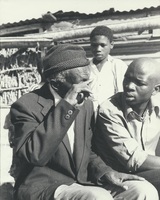 Photographs taken at the time of the Klipfontein evictions, the resultant trial at the Supreme Court Grahamstown, and the eventual settlement of those evicted in the Glenmore resettlement location, showing some of the residents involved, officials, members of the press, as well as aerial and on site views of Glenmore. Photographers: Dave Forbes, Ben Maclennan, Evert Smith, and an unknown photographer
 -
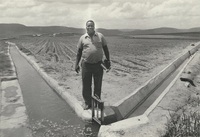
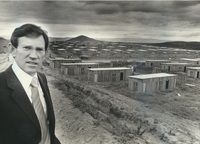 A series of photographs showing views of forced removal of communities from Klipfontein farm, near Kenton-on-sea, and other areas, to Glenmore in 1979. These photographs were accumulated by Ben Maclennan when he worked as a journalist for Eastern Province Herald, covering the move, and when he wrote the book "Glenmore : the story of a forced romoval" This photograph shows Mr Louis Koch, Chief Director of the East Cape Administration Board, standing beside the 500 wood-frame houses comprising the temporary scheme at the Glenmore site on the Fish River. Photograph reprinted by Evert Smith, 12 April 1979
 -
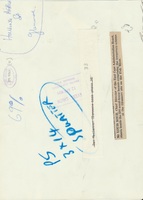 A series of photographs showing views of forced removal of communities from Klipfontein farm, near Kenton-on-sea, and other areas, to Glenmore in 1979. These photographs were accumulated by Ben Maclennan when he worked as a journalist for Eastern Province Herald, covering the move, and when he wrote the book "Glenmore : the story of a forced removal. This photograph showing a transcript: "Mr Louis Koch, Chief Director of the East Cape Administration Board, stands beside the 500 wood-frame houses comprising the temporary scheme at the Glenmore site on the Fish River" Photograph reprinted by Everet Smith on 12 April 1979
 -
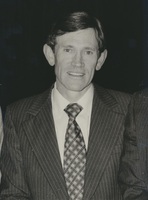 A series of photographs showing views of forced removal of communities from Klipfontein farm, near Kenton-on-sea, and other areas, to Glenmore in 1979. These photographs were accumulated by Ben Maclennan when he worked as a journalist for Eastern Province Herald, covering the move, and when he wrote the book "Glenmore : the story of a forced romoval" This photograph shows Mr Louis Koch, appointed Chief Director of the Cape Midlands Administration Board. Photograph reprinted by Basil Hall, 5 September 1983?
 -
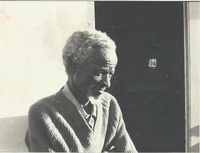 Photographs taken at the time of the Klipfontein evictions, the resultant trial at the Supreme Court Grahamstown, and the eventual settlement of those evicted in the Glenmore resettlement location, showing some of the residents involved, officials, members of the press, as well as aerial and on site views of Glenmore. Photographers: Dave Forbes, Ben Maclennan, Evert Smith, and an unknown photographer
 -
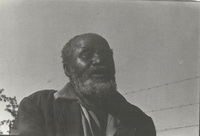 A series of photographs taken at the time of the Klipfontein evictions, the resultant trial at the Supreme Court Grahamstown, and the eventual settlement of those evicted in the Glenmore resettlement location, showing some of the residents involved, officials, members of the press, as well as aerial and on site views of Glenmore. Photographers: Dave Forbes, Ben Maclennan, Evert Smith, and an unknown photographer. This photograph shows Mr Shorty Mxokozeli during Klipfontein trial. Ben Maclennan, a reporter and journalist for the Eastern Province Herald, is taking notes
 -
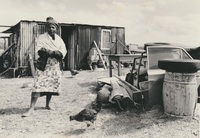 A series of photographs showing views of forced removal of communities from Klipfontein farm, near Kenton-on-sea, and other areas, to Glenmore in 1979. These photographs were accumulated by Ben Maclennan when he worked as a journalist for Eastern Province Herald, covering the move, and when he wrote the book "Glenmore : the story of a forced removal. This photograph shows Mrs Noliti Boko standing infront of a shack with her belongings lying outside, waiting to be taken to Glenomore. Photograph reprinted by Colin Urquhart, September 1983
 -
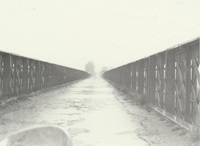 A series of photographs taken at the time of the Klipfontein evictions, the resultant trial at the Supreme Court Grahamstown, and the eventual settlement of those evicted in the Glenmore resettlement location, showing some of the residents involved, officials, members of the press, as well as aerial and on site views of Glenmore. Photographers: Dave Forbes, Ben Maclennan, Evert Smith, and an unknown photographer. This photograph shows a muddy road inbetween two wooden fences, probably a bridge.
 -
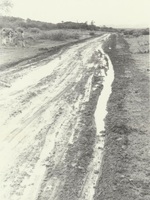 A series of photographs taken at the time of the Klipfontein evictions, the resultant trial at the Supreme Court Grahamstown, and the eventual settlement of those evicted in the Glenmore resettlement location, showing some of the residents involved, officials, members of the press, as well as aerial and on site views of Glenmore. Photographers: Dave Forbes, Ben Maclennan, Evert Smith, and an unknown photographer. This photograph shows a muddy road leading to Glenmore, with four pressman or newspaper journalists standing on the side of the road.
 -
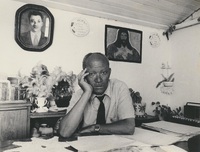 A series of photographs showing views of forced removal of communities from Klipfontein farm, near Kenton-on-sea, and other areas, to Glenmore in 1979. These photographs were accumulated by Ben Maclennan when he worked as a journalist for Eastern Province Herald, covering the move, and when he wrote the book "Glenmore : the story of a forced removal
 -
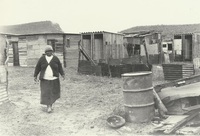 A series of photographs taken at the time of the Klipfontein evictions, the resultant trial at the Supreme Court Grahamstown, and the eventual settlement of those evicted in the Glenmore resettlement location, showing some of the residents involved, officials, members of the press, as well as aerial and on site views of Glenmore. Photographers: Dave Forbes, Ben Maclennan, Evert Smith, and an unknown photographer. This photograph shows an older woman infront of shack in Glenmore.
 -
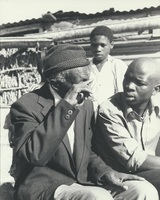
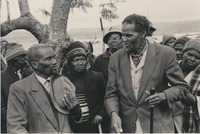 A series of photographs showing views of forced removal of communities from Klipfontein farm, near Kenton-on-sea, and other areas, to Glenmore in 1979. These photographs were accumulated by Ben Maclennan when he worked as a journalist for Eastern Province Herald, covering the move, and when he wrote the book "Glenmore : the story of a forced romoval" This photograph shows men, including, Mr Zakhe (left) and Mr Gqukani at a meeting with Black Sash members, Glenmore 1982
 -
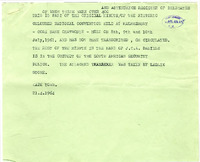 Portion of minutes as well as the attendance register of the Coloured National Convention, held at Malmesbury - code name Chatworth - on the 8th to 10th of July 1961. Note attached dated 21 April 1964.
 -
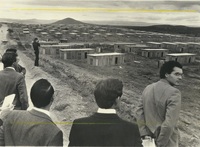 A series of photographs taken at the time of the Klipfontein evictions, the resultant trial at the Supreme Court Grahamstown, and the eventual settlement of those evicted in the Glenmore resettlement location, showing some of the residents involved, officials, members of the press, as well as aerial and on site views of Glenmore. Photographers: Dave Forbes, Ben Maclennan, Evert Smith, and an unknown photographer. This photograph shows a group of five men, probably members of the East Cape Administration Board who are visiting Glenmore, and a pressman or newspaper reporter taking pictures.
 -
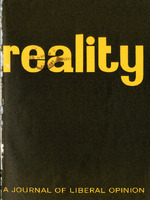 An editorial essay analyzing the internal contradictions of the National Party Cabinet in 1969. It contrasts the "altruistic" rhetoric of Dr. Piet Koornhof (who argued for the moral development of homelands) with the "callous" pragmatism of Mr. G.F. van L. Froneman (who viewed black South Africans as "surplus appendages"). The journal argues that despite their stylistic differences—labeled here as the "sissy" and the "barbarian"—both men serve the same fundamental goal: the preservation of white supremacy. The text concludes by asserting that the wealth of South Africa belongs to all its people jointly, rejecting the "blueprint" of separate development.
 -
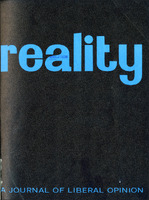 A 1969 issue of the liberal journal featuring an editorial on the global student rebellion, comparing South African student protests to those in Spain, Czechoslovakia, and Poland. It includes a foundational article by Anthony Barker on the "vivid humanity" and systemic disadvantages of African nurses, and a comparative study by Alan McConnell Mabin on the press in Communist Yugoslavia versus the "sensationalist" South African press. The issue explicitly challenges "eiesoortige" (own-kind) development as a tool for rigid racial separation.
 -
 A 1969 issue featuring an editorial on the Apollo 11 moon landing ("In Peace for All Mankind") and its implications for global unity. It includes a tribute to the rebanned Liberal Party leader Peter Brown by Alan Paton, an analysis of Emily Hobhouse’s pacifism and passive resistance by Marie Dyer, and a philosophical exploration of the "tensions" within liberalism by C.O. Gardner. The issue also reviews the film "Katrina" and discusses the American campus protest scene.
 -
 A 1969 issue dedicated to the centenary of Mahatma Gandhi and his relevance to a "violent world." The editorial analyses the unexpected victory of the anti-apartheid Labour Party in the Coloured Persons' Representative Council elections, mocking the government's attempts to nominate losing candidates to maintain control. It also includes Edgar Brookes' analysis of the "sullen silence" of oppressed South Africans and Donald Molteno’s critique of the "B.O.S.S. Act" (Bureau of State Security).
 -
 A 1970 issue exploring the "General Election for What?", Nadine Gordimer’s critique of censorship as a "homeland" for the mind, and E.G. Malherbe’s analysis of the newly legislated "autonomous" non-white universities. It features a critical look at the "Poverty Gap" and the psychological struggle within the Afrikaner personality between rigid authoritarianism and modern "man-of-the-world" Calvinism.
 -
 A 1970 issue exploring the inherent link between politics and sport, the legacy of Jan Smuts, and the struggles of writers in Zulu and Afrikaans. Key articles include André Brink's analysis of the Afrikaans writer's moral dilemma and Edgar Brookes' reassessment of Smuts. It documents the police harassment of the non-racial South African Soccer Federation and the banning of athletes Arthur Ashe and Papwa Sewgolum.
 -
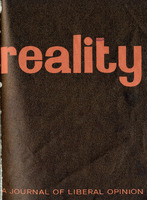 Published following the 1970 General Election, this issue critiques the "annihilation" of the Herstigte Nasionale Party and the "sham" of separate development. It features Edgar Brookes on the "Brain Drain" of liberal academics and Donald Gillham’s philosophical inquiry into the nature of revolutionaries versus bigoted conservatives. Other topics include the threat to African writing and the dilemma of liberals regarding the Middle East conflict.