Item sets
-
C.J. Skead Photograph Collection
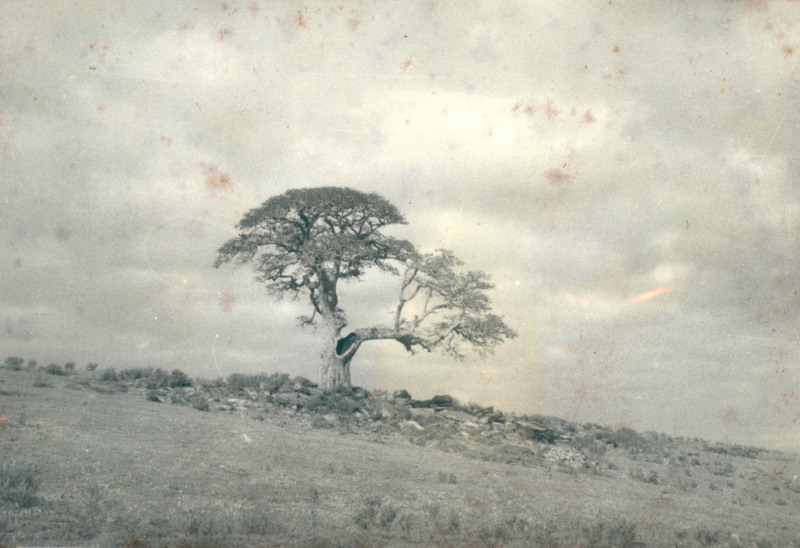
The Jack (Cuthbert John) Skead Collection comprises a substantial body of photographic material that documents the natural environments, vegetation types, and ecological habitats of the Eastern Cape and the wider southern African region. The photographs—taken over several decades—capture landscapes, plant communities, wetlands, forests, grasslands, and other habitat formations that were central to Skead’s extensive research interests. Many images also document environmental change, land use patterns, and field sites associated with his ornithological and botanical studies. The collection provides a valuable visual record for researchers working in the fields of environmental history, ecology, biogeography, conservation, and Eastern Cape natural heritage. The photographs complement Skead’s published and unpublished work held at Cory Library, including field notes, correspondence, and research manuscripts. -
C.J. Skead's Forest and Bush Recession Collection
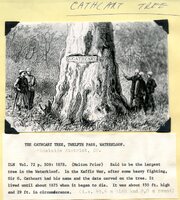
A research collection comprising photographs, scholarly and news articles, and various ephemera collated by C.J. Skead. The materials document the ecological recession of forest and bush environments, likely focusing on the Eastern Cape or Southern African regions. -
-
Mary Pocock Plant Specimen Collection
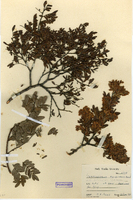
A curated collection of plant specimens collected by Mary Pocock, represented in the Rhodes University Botanical Collections. The item set includes multiple taxonomic specimens such as Barleria ramulosa, Genlisea glandulosissima R.E.Fr., Pleiotaxis ambigua S. Moore, Cryptosepalum exfoliatum subsp. pseudotaxus, and a loose botanical specimen mounted within a manuscript volume. -
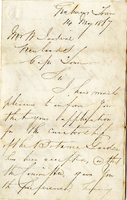
Walter Jardine Letters
The Walter Jardine Letters comprise a collection of nineteenth-century correspondence relating to the establishment and early development of the Grahamstown Botanical Gardens during the 1860s. The letters are associated with Walter Jardine, who was appointed Superintendent of the Gardens in 1867, and reflect his professional engagement with botanical networks in southern Africa and Britain. The correspondence includes letters from prominent botanists, most notably Sir Joseph Dalton Hooker, Director of the Royal Botanic Gardens, Kew. Topics addressed within the collection include the acquisition, transport, cultivation, and identification of plant specimens, as well as the logistical and scientific challenges of maintaining a colonial botanical garden during this period. The collection provides valuable insight into nineteenth-century botanical exchange, imperial scientific networks, and the history of botany in the Eastern Cape.