
Item sets
-
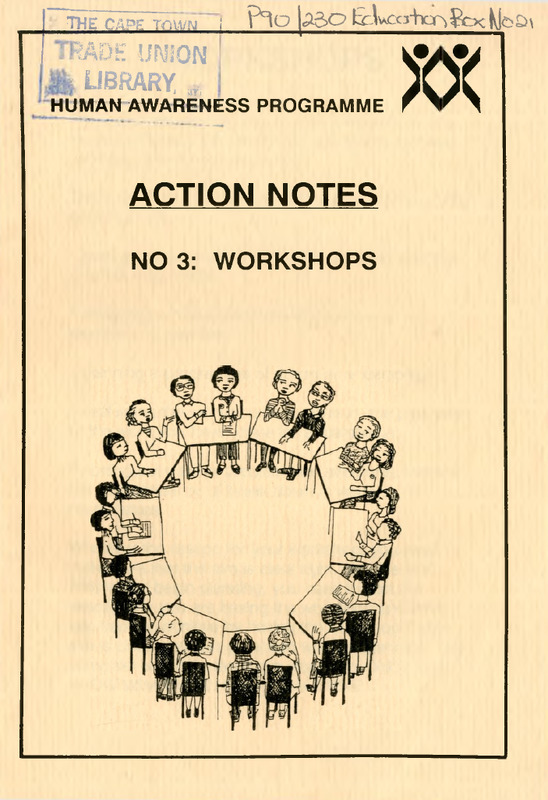
Action Notes
This collection comprises the Action Notes series, a set of practical training manuals produced by the Human Awareness Programme (HAP) between the 1980s and mid-1990s. Designed as a core resource for the South African democratic movement, the series provided grassroots activists, trade unionists, and civic leaders with the technical and organisational skills necessary to build sustainable, democratic institutions during the struggle against apartheid and the subsequent transition to democracy. The series is characterized by its "popular education" methodology—utilizing accessible language, clear visual aids, and step-by-step instructions to demystify complex administrative and legal processes. Each manual (or "Action Note") addresses a specific pillar of organisational development, ranging from internal governance and financial accountability to external communication and strategic facilitation. The series includes foundational guides on: Organisational Governance: Drafting constitutions, defining legal personality, and establishing democratic structures. Administrative Skills: Effective meeting management, agenda setting, and minute-taking. Resource Mobilisation: Fundraising strategies, grant-seeking, and basic bookkeeping for non-profit treasurers. Advocacy and Communication: Designing low-cost media, producing publicity materials, and engaging in public relations. Strategic Planning: Methodologies for facilitating workshops, evaluating campaign success, and conducting organisational audits. As a whole, the Action Notes represent a historical record of the "capacity-building" efforts that underpinned South African civil society. They reflect a commitment to the principle that information and organisational discipline are essential tools for political liberation and social transformation. -

Black Sash Collection
A collection of primary source materials documenting the advocacy and humanitarian work of The Black Sash. Key materials include "Sash" magazines, Advice Office national reports, maps of forced removals, educational pamphlets on the 1994 elections, and records of the "vigils" held to protest apartheid legislation. The collection is particularly valuable for its data on the bureaucratic administration of the apartheid state. -
-
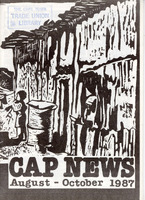
CAP News
To support and develop a "National Democratic Culture" rooted in the struggle for a South Africa free from exploitation. It focuses on accessible art education, media skills, and cultural resistance. -
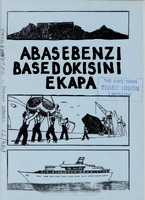
Cape Town Stevedores & Dockworkers Union (CTSDWU) Collection
This collection documents the history, organizational structure, and labor struggles of the Cape Town Stevedores & Dockworkers Union (CTSDWU). It includes records detailing the union's formation from earlier ICU organizing efforts, its growth during the mid-20th century, and its eventual challenges under apartheid-era labor legislation (such as the Industrial Conciliation Act). Key themes include the fight for better wages, the transition to containerization, and the solidarity between permanent and casual dockworkers. -

Chemical Workers' Industrial Union (CWIU) Collection
Archival collection documenting the history, campaigns, and organisational activities of the CWIU. Formed in 1974 following the Durban strikes, it was a founding affiliate of FOSATU (1979) and later COSATU (1985). The collection covers its specialised organisation in the chemical, petroleum, and rubber sectors, including its merger into CEPPWAWU in 1999. -

Congress of South African Trade Unions (COSATU) Collection
Archival collection of the Congress of South African Trade Unions (COSATU), launched on November 30, 1985. The collection documents the federation's founding principles of non-racialism, worker control, and the concept of "one industry, one union." It includes records of major campaigns such as the Living Wage Campaign, anti-apartheid stayaways, and its participation in the Tripartite Alliance. -
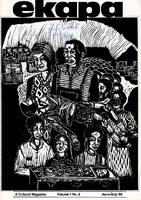
eKapa
eKapa was a seminal grassroots cultural and political journal published in Cape Town, South Africa, during the mid-to-late 1980s. Emerging during the height of the State of Emergency, the magazine served as a vital platform for the "Culture of Resistance." It bridged the gap between academic political theory and street-level community struggle, utilising poetry, woodcut art, and investigative journalism to document the anti-apartheid movement. -

Food and Allied Workers' Union Collection
Records documenting the history, campaigns, and administrative activities of FAWU. Formed in 1986 via the merger of the Food and Canning Workers' Union (FCWU), the Sweet, Food and Allied Workers' Union (SFAWU), and the Retail and Allied Workers' Union (RAWU). Includes minutes, strike posters, and correspondence. -
-
-
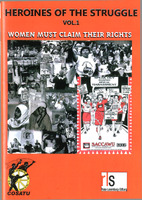
Heroines of the struggle
A biographical series documenting the lives and contributions of women activists in the South African labour movement and the broader anti-apartheid struggle. The series aims to rectify the historical marginalisation of women by highlighting their roles as shop stewards, organisers, and political leaders. -
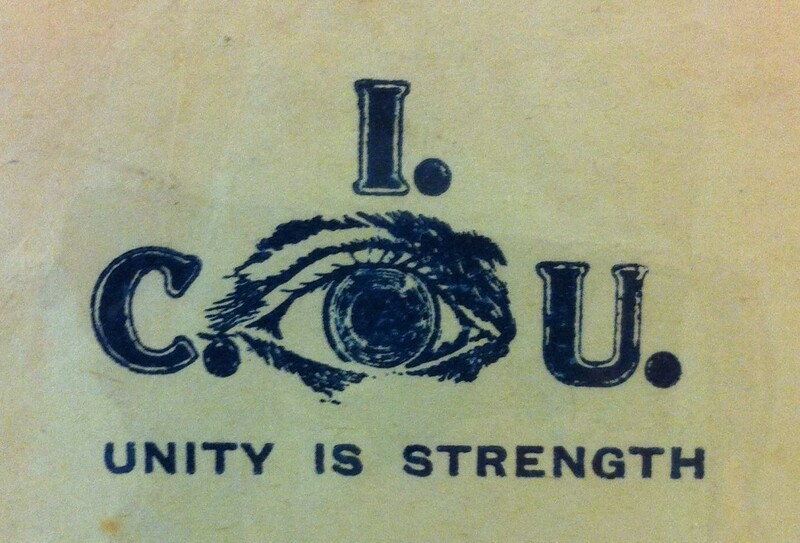
Industrial and Commercial Union (I.C.U.) Collection
An item set documenting the rise and impact of the I.C.U., the first major trade union for black workers in South Africa. Formed in 1919, the union grew rapidly after the First World War, organising dock workers, farm labourers, and industrial workers across South Africa and neighbouring regions such as Rhodesia. -
-
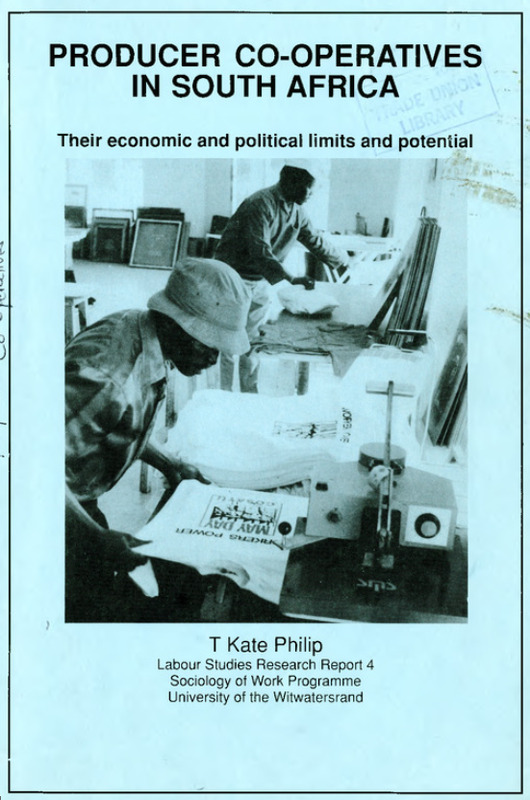
Labour Studies Research Report (University of the Witwatersrand)
A series of academic research reports and dissertations produced by the Sociology of Work Unit (SWOP) at the University of the Witwatersrand. The series focuses on industrial sociology, trade unionism, worker co-operatives, and the socio-economic impacts of apartheid on the labour market. It serves as a critical archive of the "independent" labour movement’s development and the academic engagement with the Congress of South African Trade Unions (COSATU). -
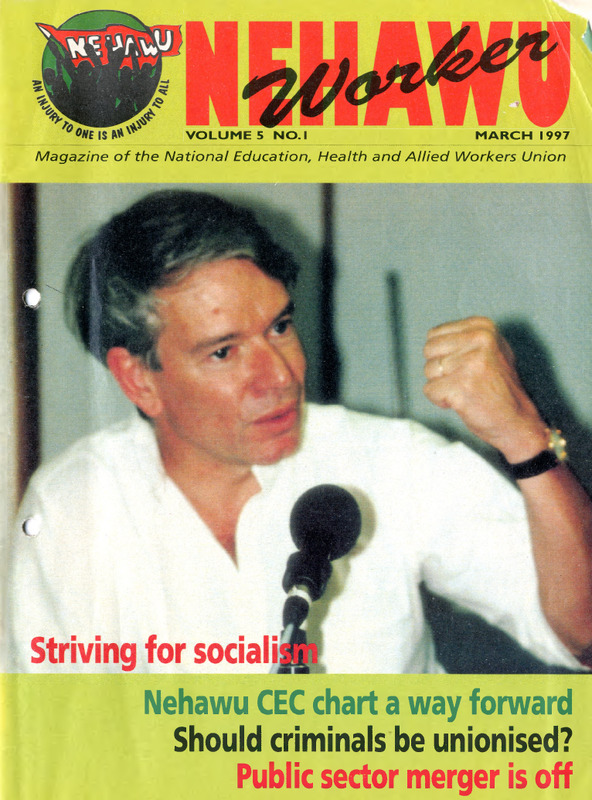
NEHAWU worker: magazine of the National Education, Health and Allied Workers Union
NEHAWU Worker is the magazine of the National Education, Health and Allied Workers’ Union (NEHAWU), a South African trade union representing workers in the education, health, and related public and allied sectors. The publication served as a communication medium for union members and officials, disseminating information on workplace conditions, labour disputes, collective bargaining processes, organisational activities, and policy developments affecting workers in the public sector. The magazine documents aspects of trade union organisation through reports from workplaces and regions, policy statements, educational content, and commentary on national social and political developments. The collection reflects the activities and perspectives of organised labour in South Africa during the late twentieth and early twenty-first centuries, providing primary source material for the study of labour history, industrial relations, public sector employment, and working-class experiences. -

National Union of Metalworkers of South Africa (NUMSA) Collection
A comprehensive archival collection documenting the history, policy-making, and industrial actions of NUMSA. Formed in 1987 through the merger of several unions (including MAWU and NAAWU), NUMSA represents workers in the auto, motor, metal, and engineering sectors. This collection features National Congress resolutions, industry-level collective bargaining agreements, shop steward training manuals, and gender committee reports, reflecting the union's commitment to a "socialist orientation" and worker control. -
National Union of Mineworkers (South Africa) Collection
This collection comprises materials produced by and relating to the National Union of Mineworkers (NUM), a South African trade union representing workers primarily in the mining, energy, and related industrial sectors. The materials functioned as instruments of communication, organisation, and record-keeping and include publications, organisational documents, reports, and related ephemera documenting union activities. The collection records aspects of trade union organisation and labour relations through workplace and regional reports, policy statements, educational material, and commentary on social and political developments affecting mineworkers and their communities. The materials document organised labour activity in South Africa during the late twentieth and early twenty-first centuries and constitute primary source material for research into labour history, mining history, industrial relations, and worker organisation. -
National Union of Public Service and Allied Workers (NUPSAW) Collection
This item set comprises archival, published, and ephemeral materials produced by or relating to the National Union of Public Service and Allied Workers (NUPSAW), a South African trade union representing workers in the public service and allied sectors. The materials document the union’s organisational activities, campaigns, policy positions, and engagement within the broader South African labour movement. The collection provides insight into labour relations, workers’ rights advocacy, and public sector trade unionism in South Africa. -

National Economic Development and Labour Council (NEDLAC)
A collection of primary documents originating from NEDLAC chambers. Includes reports from the Public Finance and Monetary Policy Chamber, Trade and Industry Chamber, Labour Market Chamber, and Development Chamber. Key materials include "Section 77" notices, national framework agreements (such as the Presidential Job Summit records), and annual reports documenting the consensus-seeking process in post-apartheid South Africa. -
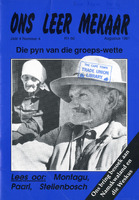
Ons leer mekaar
A community-based serial publication and adult literacy resource that formed part of the "Alternative Press" movement in South Africa. It focused on social justice, community news, and the "lived experience" of apartheid (such as the Group Areas Act and forced removals). It used an accessible, easy-to-read format to empower semi-literate and rural readers with information on labour rights, health, and local history. -
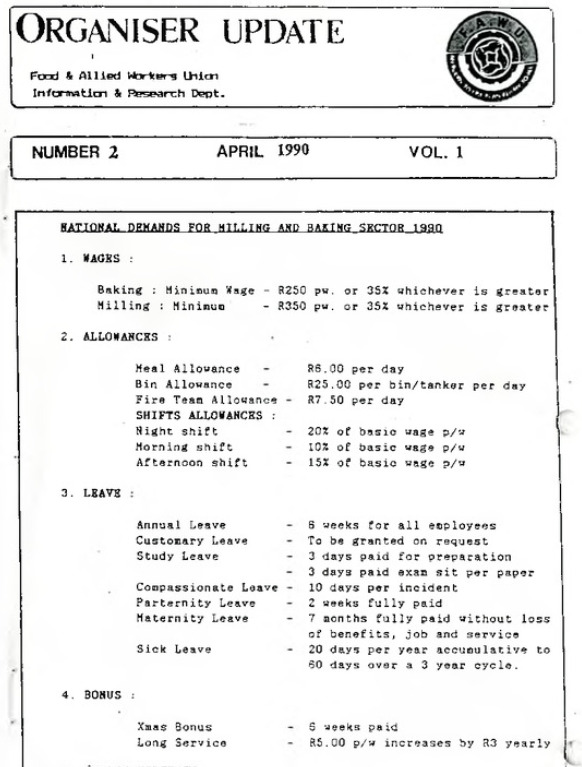
Organiser Update: Food and Allied Workers’ Union Newsletter
Organiser Update is the newsletter of the Food and Allied Workers’ Union (FAWU), a South African trade union representing workers in the food processing, beverage, agriculture, and allied industries. The publication functioned as an internal communication medium, circulating information to union members, organisers, and shop stewards on workplace conditions, labour disputes, collective bargaining processes, union activities, and relevant social and political developments. The newsletter records aspects of trade union organisation through workplace and regional reports, policy statements, educational material, and commentary on contemporary national events. The collection documents organised labour activity in South Africa during the late twentieth and early twenty-first centuries and constitutes a primary source for the study of labour history, industrial relations, political organisation, and working-class experiences. -

Paper, Printing, Wood and Allied Workers' Union (PPWAWU) Collection
Archival collection documenting the history of PPWAWU from its formation in 1974 until its merger in 1999. The union was a key affiliate of FOSATU and later COSATU, organizing workers in the forestry, paper milling, and commercial printing industries. The collection includes records of the "Living Wage" campaigns in the paper sector and anti-apartheid mobilization in rural forestry areas. -

-

Self-Employed Women’s Union (SEWU)
Founded in 1993 by trade unionist Pat Horn with support from volunteers and inspired by SEWA (Self-Employed Women’s Association in India).